
What is Whey Protein Powder?
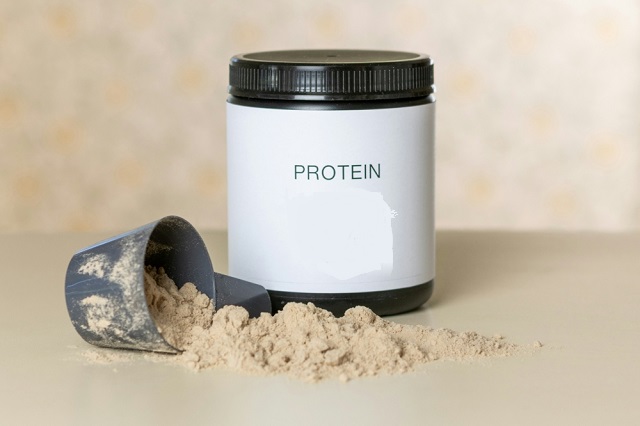
Introduction: What is Whey Protein Powder?
Whey protein powder is one of the most popular dietary supplements, especially among athletes, fitness enthusiasts, and people seeking a convenient source of high‑quality protein. In essence
whey is the liquid part of milk that separates from curds during the cheese‑making process. That liquid contains proteins, lactose, minerals, and other soluble components. Through industrial processing, those proteins are concentrated, purified, and dried into a powder form that can be easily mixed into shakes, smoothies, or foods.
Whey is considered a complete protein because it provides all nine essential amino acids the human body cannot synthesize on its own. It is valued for its high digestibility, its richness in branched-chain amino acids (BCAAs), and its fast absorption rate compared to some other proteins. But beyond the hype, it’s useful to understand exactly how whey protein powder is produced, in what contexts it is used, what scientific evidence supports its benefits, and what risks or downsides may exist.
Below I break down the topic under four major subheadings.
1. How Is Whey Protein Powder Produced?
The production of whey protein powder is a multi‑step industrial process that takes what was once a byproduct (the liquid whey) and turns it into a concentrated, shelf-stable protein supplement. Below is a more detailed breakdown of the stages and methods used.
1.1 Origin: Milk and Cheese Production
Whey arises naturally in the process of coagulating (curdling) milk. In cheese making, milk is treated with rennet or acid (or bacterial cultures) which causes the casein proteins and fats to coagulate into solid curds; the remaining liquid is the whey.
That liquid whey contains water, lactose (milk sugar), soluble proteins, minerals, and trace fat. It is generally only about 5 % protein by weight in its raw form.
Because cheese plants produce large volumes of whey as a byproduct, the dairy industry historically struggled with how to dispose of or valorize that whey. The development of whey protein processing turned “waste” into a valuable nutritional product.
1.2 Initial Treatment: Testing and Pasteurization
The milk used must be tested for quality (microbiological, fat content, etc.). Once accepted, the milk is pasteurized to kill harmful bacteria and ensure safety.
After pasteurization and curd formation, the liquid whey is drained off from the curds. This whey is further treated (e.g. pasteurized again) before further processing.
1.3 Filtration / Separation / Concentration of Proteins
This is the heart of the process: separating and concentrating the protein portion, while removing or reducing undesirable components like lactose, fat, and soluble minerals.
Several techniques are employed:
Membrane filtration (microfiltration, ultrafiltration, nanofiltration): Whey is passed through filters of varying pore sizes. The smaller molecules (like lactose, minerals, water) pass through, while the larger protein molecules are retained or partially retained. By repeating or cascading these filtration steps, you can raise the protein concentration.
Ion‑exchange chromatography: In some plants, the proteins are treated by ion‑exchange columns that selectively bind or release proteins based on charges. This method can achieve high purity, but may lead to loss of certain minor proteins (immunoglobulins, lactoferrin) and can cause partial denaturation if harsh chemicals are used.
Cross‑flow filtration (or “crossflow microfiltration” / “crossflow ultrafiltration”): A method in which the fluid flows tangentially across the filter surface, reducing clogging and increasing efficiency. This mechanical method is widely used because it is gentler and better preserves minor components.
Diafiltration / buffer washes: After initial filtration, additional washes may be applied to further remove lactose, salts, and small molecules.
The degree of filtration and washing largely determines whether the end product is a concentrate, isolate, or hydrolysate (see below).
1.4 Drying: Evaporation and Spray Drying
Once a liquid protein concentrate is obtained (with reduced lactose and fats), the next steps are:
Evaporation / water removal: Using methods such as vacuum evaporation or low-heat techniques to reduce the water content, making the liquid more concentrated.
Spray drying: The concentrated liquid is sprayed into a hot chamber where fine droplets are exposed to hot air; the water rapidly evaporates, leaving behind dry protein powder particles. This is the most common industrial method for making powdered protein.
The drying must be controlled to avoid overheating or denaturing the proteins.
After drying, additional steps like milling, sieving, blending with flavorings, stabilizers, and packaging follow.
1.5 Further Processing: Hydrolysis, Flavoring, and Packaging
Hydrolyzed whey (WPH): Some whey proteins are partially hydrolyzed—i.e. pre-digested via enzymes—into smaller peptide fragments. This process speeds up absorption and reduces allergenicity in some cases. It is more expensive.
Blending / flavoring / additives: The raw powder is often mixed with flavor agents (e.g. vanilla, chocolate), sweeteners, thickeners, emulsifiers, vitamins, and minerals.
Quality control / testing / packaging: Rigorous testing is done for microbial safety, heavy metals, protein content, moisture content, solubility, and shelf stability. The final product is then packaged in sealed containers, often under inert gas or vacuum to reduce oxidation.
1.6 Types of Whey Protein Products
Because of differences in processing and purification, there are a few commercially distinct forms:
Whey Protein Concentrate (WPC): Contains moderate protein percentage (often 30–80 % protein by dry weight, often ~ 70–80 %), with some residual lactose, fat, and minerals.
Whey Protein Isolate (WPI): More heavily filtered and purified, often > 90 % protein by weight, with most lactose/fat removed.
Whey Protein Hydrolysate (WPH): This is essentially a “predigested” form, where the protein is partially broken down into peptides. It is more costly and sometimes used in medical or infant formulas.
Native whey protein: Derived directly from skim milk instead of as a byproduct of cheese-making, often claimed to preserve more native protein structures.
Each variant has tradeoffs in cost, purity, digestibility, lactose content, and flavor.
2. How Is Whey Protein Powder Used?
Whey protein powder is versatile, and its uses span not just athletic nutrition but also medical, clinical, and general dietary supplementation. Below are common ways it is used, plus practical tips.
2.1 In Fitness and Sports Nutrition
Post-workout shakes: One of the most common uses is blending whey powder with water, milk, or a plant milk alternative soon after resistance training or intense exercise. The idea is to supply amino acids quickly to muscles when they’re most receptive.
Protein supplementation to reach daily goals: Many people use whey powders to “top up” their daily protein intake when whole food sources are insufficient (e.g. due to convenience, appetite, or dietary restrictions).
Meal replacement / weight management shakes: Whey protein powders are sometimes included in formulations for meal-replacement shakes (often combined with carbs, fat, fiber, and micronutrients).
Blending into smoothies, oats, baked goods, or protein bars: It’s common to add a scoop of protein powder into smoothies, pancake batters, muffins, puddings, or homemade bars to boost protein content.
Timed phasing: Some athletes use it at specific times—e.g. pre-workout, intra-workout, bedtime (casein is more typical at night, but whey may be mixed in), or early morning.
2.2 In Clinical and Medical Nutrition
Recovery and wound healing: In hospitalized or surgical patients, extra protein is often required for tissue repair; whey is sometimes used in clinical nutrition.
Malnutrition support: For people who are undernourished or unable to eat enough solid food, protein supplements including whey may be used.
Elderly / sarcopenia prevention: As muscle loss is common with aging, some interventions include whey protein supplementation to preserve lean mass (often combined with resistance exercise).
Chronic disease support: In certain chronic illnesses (e.g. cancer cachexia, chronic obstructive pulmonary disease), protein supplementation may play a role, though the evidence is variable.
2.3 Practical Tips, Dosage, and Timing
Typical dosages: Many whey products suggest 20–30 g of powder per serving (which might deliver ~ 15–25 g of protein, depending on purity).
When to take: A common approach is to take whey within a short window (e.g. 30–60 minutes) post-exercise, when muscle protein synthesis is elevated. Some also take a dose before or during workouts.
Splitting doses: If higher daily intake is desired, splitting into two or more smaller doses over the day can improve absorption and reduce side effects.
Mixing medium: Water, milk, or plant-based milk can be used. Milk can slow digestion a bit and add extra protein/calories; water is more minimal.
Blending with other nutrients: Including carbohydrates in the shake can help with glycogen replenishment and insulin response; fat slows digestion if desired.
Hydration and balance: Because higher protein intake increases urea production and kidney load, adequate water intake is essential. Also, the rest of the diet should supply vitamins, minerals, fiber, and healthy fats.
2.4 Population Considerations
Lactose-intolerant individuals: Whey concentrate may contain residual lactose; isolates generally have much less, making them more tolerable for many with lactose sensitivity.
Allergic individuals: Those with dairy or milk protein allergies may react to whey, so it may not be safe for them.
Dietary patterns: Some vegetarians include whey if they consume dairy; vegans do not use it. Others may choose plant-based proteins instead.
Special populations (kidney disease, liver disease): Careful medical supervision is required before using protein supplements in these cases.
3. What Are the Benefits of Whey Protein Powder?
There is substantial scientific and clinical literature supporting many of the claimed benefits of whey protein, particularly in relation to muscle health, weight management, metabolic function, and some markers of health. Below is a deeper dive into the key benefits, along with caveats and evidence.
3.1 Promoting Muscle Growth, Repair, and Strength
One of the most robust and well-supported uses of whey protein is to support muscle protein synthesis in conjunction with resistance training. Whey is rich in branched-chain amino acids (BCAAs), particularly leucine, which appears to act as a key “trigger” for stimulating muscle growth.
Studies show that whey taken around the time of exercise (pre-, post-, or during) can enhance gains in lean body mass, strength, and recovery compared to placebo or lower-protein controls.
Some newer research emphasizes the synergy among protein intake, exercise stimulus, and sleep/recovery in maximizing muscle adaptation.
Whey’s fast absorption kinetics give it an advantage over slower-digesting proteins (though slower proteins like casein or blended sources still have their place).
It’s also useful in preventing muscle loss (atrophy) during periods of caloric deficit, immobilization, or aging (sarcopenia).
3.2 Facilitating Weight Management and Body Composition Improvement
Satiety and appetite suppression: Protein tends to be more satiating than carbohydrates or fats. Whey specifically may reduce hunger and subsequent calorie intake, helping in weight control.
Preserving lean mass during weight loss: When dieting, having sufficient protein is essential to preserve muscle mass. Whey supplementation helps in this respect, making fat loss more likely and lean mass retention more feasible.
Thermic effect: Protein has a higher thermic effect (i.e. energy cost of digestion) compared to fats and carbs. This contributes modestly to overall energy expenditure.
Metabolic rate support: Higher protein intake helps preserve resting metabolic rate during caloric restriction.
3.3 Metabolic and Cardiovascular Benefits
Blood pressure reduction: Some clinical trials and meta-analyses suggest that whey supplementation can modestly lower systolic blood pressure in overweight or mildly hypertensive individuals. This might relate to bioactive peptides in whey that function as ACE (angiotensin converting enzyme) inhibitors.
Improved glycemic regulation and insulin sensitivity: Whey protein may stimulate insulin secretion and incretin hormones (e.g. GLP-1), which can improve postprandial glucose control. Some studies in type 2 diabetes or metabolic syndrome populations show improvements in fasting blood sugar and insulin metrics.
Cholesterol / lipid effects: The evidence here is less consistent, but some trials find reductions in LDL-cholesterol or total cholesterol.
Antioxidant and anti-inflammatory effects: Whey contains bioactive compounds (like lactoferrin, immunoglobulins, glutathione precursors) that may support antioxidant defenses and modulate inflammatory pathways.
Immune support: Because whey includes immunoglobulins and lactoferrin, there is speculation and some evidence for a supportive role in immune function, especially under physical stress.
3.4 Nutritional and Practical Convenience
For individuals struggling to meet protein needs through whole foods (e.g. due to poor appetite, busy schedules, dietary restrictions), whey protein powder offers a convenient, portable, and shelf-stable solution.
It allows more flexibility in diet planning—one can fortify meals (e.g. oats, pancakes, soups) with extra protein.
Because whey is a complete protein, it provides all essential amino acids in one source, reducing the need to combine multiple incomplete protein sources.
4. Are There Any Unwanted Side Effects or Risks?
While whey protein is generally considered safe for healthy individuals when used appropriately, it is not free from potential adverse effects or risks—especially when used excessively or in people with underlying health conditions. Below is a detailed overview of the possible downsides, contradictions, and precautions.
4.1 Digestive and Gastrointestinal Issues
Bloating, gas, abdominal cramps, diarrhea: These are among the most common complaints, especially in those who are lactose intolerant. Residual lactose in whey concentrate may ferment in the gut.
Nausea, upset stomach: Some individuals may experience mild nausea or stomach discomfort, particularly when taking large doses on an empty stomach.
Altered gut microbiome / dysbiosis: Some preliminary evidence suggests that high-protein or whey-rich diets might influence gut microbiota composition (potentially negatively, in some situations), though research is still emerging.
4.2 Allergies and Sensitivities
Milk / dairy allergy: Whey is a dairy-derived protein, and those with cow’s milk protein allergy may have allergic reactions (e.g. hives, respiratory symptoms) to whey.
Lactose intolerance: As noted earlier, concentrate forms may still carry lactose, which can cause intolerance symptoms in susceptible individuals.
Skin reactions / acne: Anecdotally and in some observational reports, whey protein use has been linked to increased acne or skin breakouts, possibly via hormonal effects (e.g. increasing IGF-1) or due to contaminants.
4.3 Kidney, Liver, and Bone Concerns
Kidney strain / damage: A common myth is that high protein diets harm the kidneys in healthy people. In general, for people with normal kidney function, moderate to even fairly high protein intake is not known to cause kidney damage. However, in individuals with pre-existing kidney disease, high protein loads may exacerbate progression. Many sources caution against indiscriminate use of whey in those with kidney issues.
Liver function: Some less-substantiated claims suggest that in people with liver disease, excessive protein might worsen liver function. That said, in healthy individuals there is little evidence that typical protein supplementation damages the liver.
Bone health / calcium excretion: A few older hypotheses contended that high-protein diets increase urinary calcium excretion, potentially impacting bones. However, more modern evidence suggests that adequate calcium intake can offset this, and protein may actually help bone health.
4.4 Overconsumption, Caloric Excess, and Weight Gain
Because whey is a concentrated source of protein—and calories—excessive intake without accounting for overall caloric balance can lead to weight gain (especially if combined with high-calorie liquids or foods).
Some commercial protein powders include added sugars, fats, or fillers, which can further increase calories or glycemic load.
4.5 Potential Contamination and Quality Issues
Supplements are less strictly regulated than conventional foods or drugs in many countries, which raises the risk of contamination (e.g. heavy metals, pesticides, residual solvents, adulterants).
A Consumer Reports investigation (recent) found concerning levels of lead and other heavy metals in many protein powders. (This issue is especially salient for commercial formulations.)
Poor manufacturing practices could lead to microbial contamination, off flavors, or spoilage.
In addition, use of artificial sweeteners, gums, or thickening agents may cause unwanted gastrointestinal effects.
4.6 Other Reported or Theoretical Side Effects
Headaches, thirst, fatigue: Some users report headaches or increased thirst—possibly related to osmotic effects or dehydration when protein intake is high.
Impact on skin/hormones: As discussed, potential acne or skin effects may link to hormonal shifts (e.g. elevated IGF‑1).
Mineral imbalance / nutrient displacement: Overreliance on protein powders may lead to neglect of other nutrients (fiber, phytonutrients) found in whole foods.
4.7 Risk Mitigation Strategies
To reduce the chance of side effects:
Stay within reasonable protein limits. A common range for active individuals is ~1.2 to 2.2 g protein per kg body weight per day, depending on goals. Excess beyond what your body needs offers diminishing returns and more risk.
Choose high-quality products. Look for third-party testing (e.g. NSF Certified for Sport, Informed Choice) to reduce risk of contamination.
Use isolates or hydrolysates if lactose is a problem. These forms contain less lactose.
Split doses and do not take on an empty stomach if sensitive.
Maintain adequate hydration.
Ensure a balanced diet. Use whey to complement, not replace whole food sources.
Medical screening. If you have kidney disease, liver disease, or other chronic conditions, consult a physician before supplementing.
Cycle or moderate use. Some people use supplementation in cycles rather than continuously, though evidence is mixed on benefits of cycling.
Conclusion and Practical Summary
Whey protein powder is a scientifically validated, versatile, and efficient option for boosting protein intake—particularly when whole food sources fall short. Its benefits are well-established for muscle building, lean mass retention, exercise recovery, and potentially metabolic health (blood pressure, glycemic control). But, like any nutritional intervention, the balance of benefit versus risk depends on dose, personal health status, diet context, and product quality.
When used appropriately (moderate dosing, with medical oversight if necessary, and choosing reputable products), many individuals can gain advantages with minimal side effects. But overuse, poor-quality products, lactose intolerance, dairy allergies, or underlying health issues can raise risks.
If you like, I can also provide a sample dosing guide, compare whey vs plant protein, or list recommended brands (with safety criteria)
Do you want me to include that?




Leave a Reply